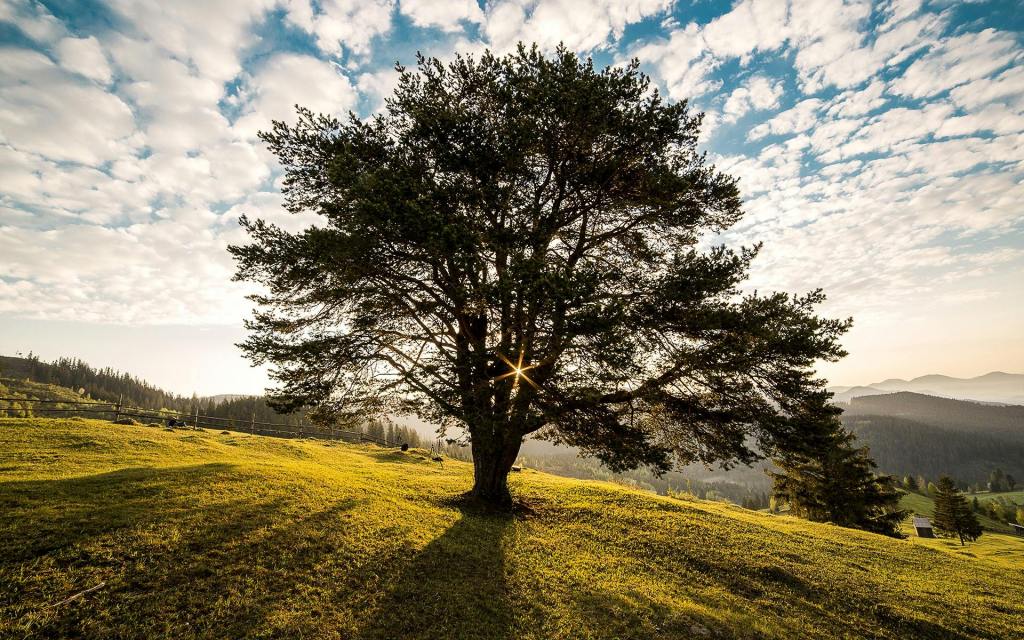


After a storm rolls through, there’s this collective sigh of relief once we’ve picked up the branches, cleared the debris, and helped our trees stand tall again. It feels like we’ve weathered the storm and it’s time to move on. But nature has a way of throwing curveballs when everything seems calm and bright.
Understanding Post-Storm Tree Risks
The Delayed Effects of Storms
You’d think once the storm is over and the clean-up is done, that’s the end of it, right? Well, sometimes trees have their own schedule. Damaged trees might not seem to be affected by the storm right away, but their weakened state becomes a liability over time. When the sunny weather encourages active photosynthesis and water uptake, unexpected collapses can happen days or even weeks after the storm has passed.
Sometimes It’s What You Don’t See
After a storm, it’s not just about the trees that fall. Often trees seem fine to the untrained eye, but they have damage that is not immediately noticeable. Branches that are damaged but not detached pose a significant risk, often going unnoticed until they become a hazard. Also, when one tree is damaged, it can affect the trees around it as well, weakening the network of surrounding trees without much of a visible impact. These subtle effects highlight the importance of thorough inspections by skilled tree care professionals who can help identify and mitigate these hidden dangers.
The Critical Role of Professional Tree Care
Spotting the Hidden Signs
Professional arborists have this knack for spotting the subtle signs that a tree is in trouble. Their trained eyes can spot potential dangers, such as subtly shifted root systems or cracked limbs poised to fall. Early detection by these professionals can prevent the sudden and dangerous collapse of trees weakened by past storms, safeguarding communities and properties against unforeseen threats.
Preventive Measures and Long-term Health
Maintaining trees isn’t just about keeping them upright. It’s about making sure they’re healthy, strong, and ready to face whatever the weather throws at them. Through strategic pruning, soil care, and other maintenance practices, tree care professionals work to fortify trees against the stresses of future storms. It’s like giving your trees a game plan, ensuring they continue to be a healthy part of your landscape for years to come.
Conclusion
So, when the storm clouds clear and the sun starts shining again, remember, this might not signal the all-clear for your trees. To prevent any unexpected surprises and ensure the ongoing safety and beauty of your trees, consider the following steps:
- Inspect Your Trees: Even if they look okay at first glance, there could be hidden damage. Look for any signs of stress or damage that may not be immediately obvious.
- Hire a Professional: A trained arborist can spot the subtle signs of potential trouble and assess the overall health of your trees better than anyone. Their expertise can be invaluable in preventing future problems.
- Consider Proactive Care: Regular maintenance isn’t just about dealing with the aftermath of a storm. It’s about preventing issues before they start. Strategic pruning and soil care can strengthen your trees against future storms.
- Stay Vigilant: Keep an eye on your trees as the seasons change, especially during extreme weather conditions. Early detection of issues can make all the difference.
By following these steps, you can help safeguard your trees against the unexpected turns of nature, ensuring they remain a cherished part of your landscape for years to come.
 Peninsula Tree Care, Inc.