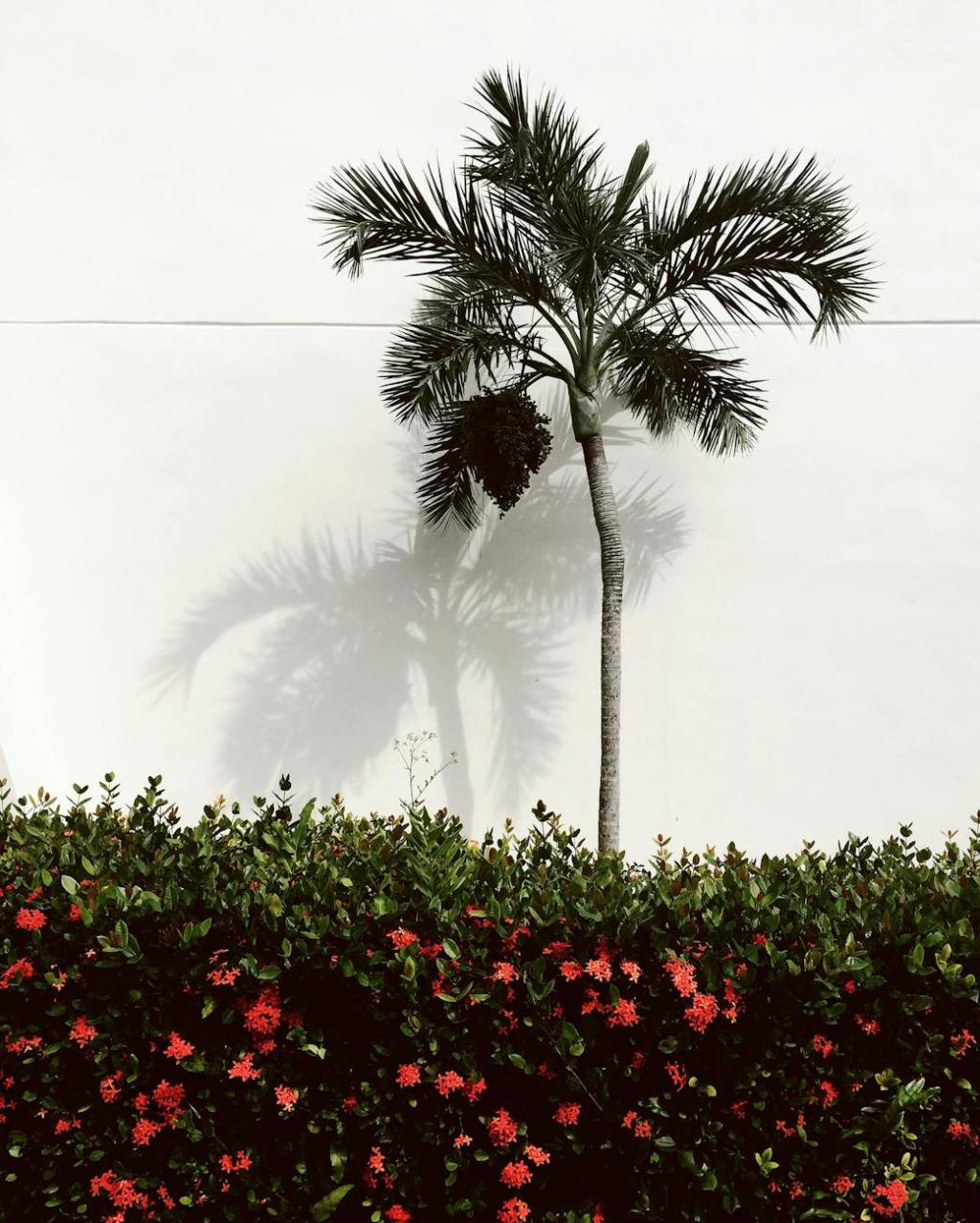


Did you know that palm trees are not technically trees? Unlike traditional trees, which grow in rings and have branches, palms are more closely related to grasses and have a unique structure that makes them a beautiful yet challenging addition to any landscape. If you’ve ever tried to get rid of a palm tree, you know it’s not as simple as it looks. The fibrous nature and slow decomposition of palm debris can make disposal a complicated and often expensive task.
At Peninsula Tree Care, our local tree experts understand these challenges and are here to help you navigate the complexities of palm tree disposal in San Mateo County. Whether you’re worried about the environmental impact or the cost, our certified arborists have you covered with sustainable and efficient solutions.
Understanding the Biological Challenges
Palm trees have a unique biological structure that sets them apart from other trees. Unlike typical trees, which have a layer of living tissue (the cambium) just beneath the bark and a core of dead tissue, palm trees are alive all the way through. This continuous living tissue is composed of tightly packed fibers that give palm trees their strength and flexibility.
Living Tissue Throughout:
In most trees, the living part of the tree is the cambium layer, which is responsible for growth and lies just beneath the bark. The inner wood, or heartwood, is dead and primarily serves to support the tree structurally.
Palm trees, however, do not have this distinction. They grow in a manner similar to grass, with living cells distributed throughout their structure. This makes their trunks and fronds denser and more fibrous.
Fibrous Structure:
The trunk of a palm tree contains many fibrous bundles within a soft tissue matrix. These bundles are tough, fibrous strands that run the length of the trunk, providing the tree with its characteristic flexibility and strength.
This fibrous composition is resistant to decomposition. Microorganisms that typically break down wood find it harder to penetrate and digest the dense, fibrous material of palm trees.
Slow Decomposition:
The dense and fibrous nature of palm tree debris means it decomposes at a much slower rate compared to other tree species. Traditional composting methods that work well for ordinary wood and leaves are often ineffective for palm debris. For example, while an oak tree, one of the most popular trees in San Mateo County, typically decomposes within 6 months to a year, palm fronds and trunks can take up to 5 to 10 years to break down completely if left in a natural setting. This slow decomposition process can pose significant challenges in waste management and environmental impact.
Debris Volume and Handling:
Palm trees can produce a large amount of debris, particularly when they are pruned or removed. The fronds alone are sizable and can quickly fill up disposal bins.
Handling and processing this debris requires specialized equipment. Traditional wood chippers may struggle with the fibrous nature of palm fronds, often requiring heavy-duty machinery designed to handle such materials.
Implications for Disposal:
Understanding these biological characteristics helps in planning the disposal process. You need to consider the time, effort, and methods required to manage palm tree debris effectively.
This knowledge also underscores the importance of using appropriate disposal methods that can handle the unique challenges presented by palm trees, such as industrial composting facilities or specialized recycling processes.
By recognizing and preparing for these biological challenges, you can ensure a more efficient and environmentally friendly disposal of palm tree debris.
How Peninsula Tree Care Handles Palm Tree Removal and Disposal
Peninsula Tree Care specializes in the responsible trimming and removal of palm trees. Our team is experienced in dealing with the unique challenges posed by palm trees and ensures that the entire process is handled efficiently and in compliance with local regulations.
Trimming and Removal:
Our team uses specialized equipment to safely trim and remove palm trees. The fibrous nature of palm fronds and trunks requires heavy-duty machinery, which we are fully equipped with.
We take care to minimize damage to the surrounding landscape and ensure the safety of our clients and crew.
Disposal:
Palm tree debris is removed and disposed of responsibly to minimize environmental impact. Disposal fees for palm trees are often higher due to the need for specialized handling and the extended time required for the debris to break down. Recycling centers must place palm debris with other materials that decompose at a similar rate to ensure an even composting process. If materials that decompose at different rates are stored together, it can lead to uneven settling in landfills or compost piles. This additional sorting and specialized handling contribute to the higher disposal costs for palm trees. This includes transportation to industrial composting facilities or recycling centers that can process the fibrous material effectively.
Conclusion
Disposing of palm tree debris in San Mateo County requires understanding the unique biological challenges, adhering to local regulations, and choosing the right disposal method. Peninsula Tree Care handles the entire process, ensuring that your palm tree removal is managed efficiently and responsibly.
For more detailed information on specific regulations and permitting processes, you can visit the San Mateo County Tree Regulations page. If you have any questions or need further assistance, consider consulting with Peninsula Tree Care, your local arborist and tree removal expert.
 Peninsula Tree Care, Inc.
Leave a comment